SDLC Team Work

SDLC

Think of the System Development Life Cycle (SDLC) as a comprehensive, step-by-step roadmap for building effective software. It outlines the entire journey of a project, covering everything from the initial spark of an idea and feasibility planning, through the complexities of design and coding, all the way to the final deployment and long-term maintenance of the system.

By strictly following these structured stages, developers can minimize risks, avoid costly errors and manage resources better. This rigorous process ensures they build the software correctly and efficiently, guaranteeing that the final product doesn't just work technically, but aligns exactly with what the business aims to achieve and what the users actually need.
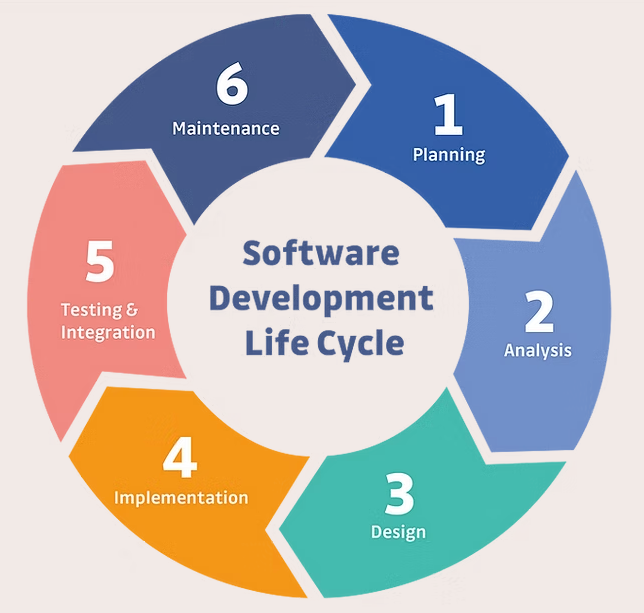

SDLC Cycle Diagram

Planning Phase

Planning Phase

The planning phase is the foundation of the SDLC. It involves identifying the scope, objectives, and feasibility of the system development project. This stage helps to define the "why" behind the project and sets the direction for subsequent phases.

Purpose: To determine whether a project is feasible and worth pursuing.

Key Activities:

  • Identify the problem or business need that the system will address.
  • Conduct feasibility studies to evaluate technical, operational, economic, and schedule viability.
  • Define project goals, scope, and constraints.
  • Develop a high-level project plan, including resource allocation, budget estimation, and timelines.
  • Assemble a project team and assign roles.

Deliverables:

  • Project Charter or Initial Project Plan.
  • Feasibility Report.
  • Approval to proceed to the next phase.

Analysis & Requirement Phase

In this phase, the focus is on understanding what the system needs to accomplish. Gathering detailed requirements ensures that the final system meets user expectations and organizational objectives.

Purpose: To gather, analyze, and document the functional and non-functional requirements of the system.

Key Activities:

  • Engage stakeholders, including end-users, management and technical teams to identify their needs.
  • Document requirements using techniques such as interviews, surveys, use cases, user stories and workflow diagrams.
  • Analyze the feasibility and impact of the requirements.
  • Prioritize requirements based on criticality and importance.

Deliverables:

  • Requirements Specification Document (e.g., Software Requirement Specification or SRS).
  • Use Case Diagrams and Process Flowcharts.
  • Approved Requirements Document.
Analysis Phase

Design Phase

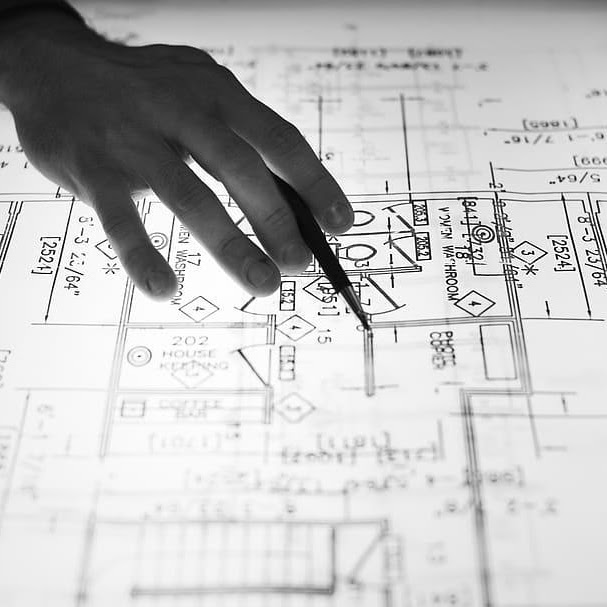
The design phase translates the requirements gathered into a detailed blueprint for the system. This phase focuses on system architecture, interface design, data modeling, and other technical aspects.

Purpose: To create a comprehensive plan for building the system.
Design 1
Design 2
Design 3

Key Activities:

  • Develop system architecture to outline the structure and components of the system.
  • Create database designs, data flow diagrams and entity-relationship (ER) diagrams.
  • Design user interfaces (UI) and user experiences (UX) to ensure usability.
  • Specify hardware, software and network requirements.
  • Document technical and non-technical specifications.

Deliverables:

  • System Design Document (SDD).
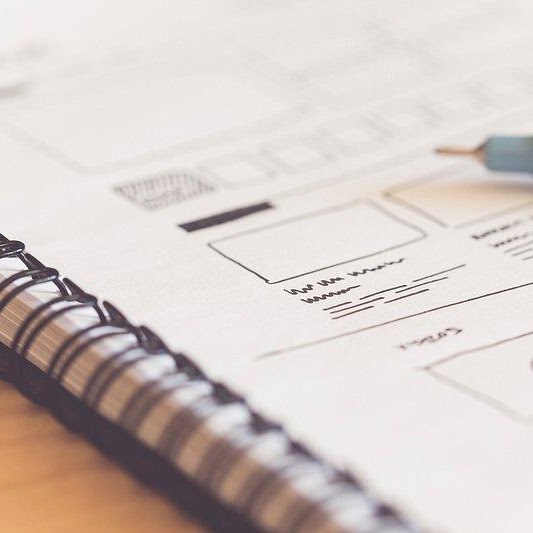
  • Prototype or Wireframes (for user interfaces).
  • Data Models and Architectural Diagrams.

Implementation Phase

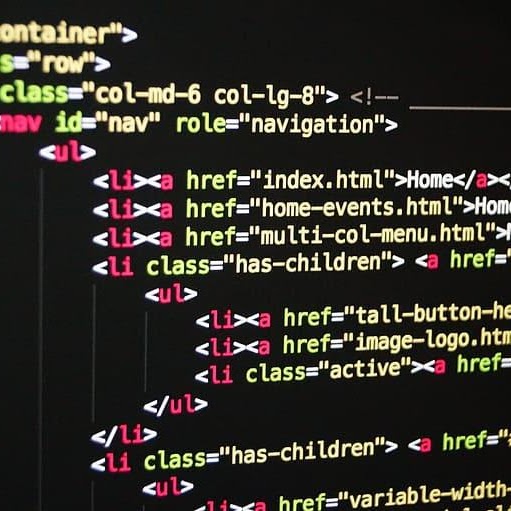
This is the phase where the actual coding and creation of the system take place. Developers translate design specifications into a functional system using programming languages and tools.

Purpose: To build and assemble the system components.
Key Activities:

  • Write and compile source code for different modules of the system.
  • Integrate system components to ensure seamless functionality.
  • Conduct unit testing to verify the functionality of individual components.
  • Create technical documentation to guide system usage and maintenance.

Deliverables:

  • Completed System or Prototype.
  • Unit Test Results.
  • Code Documentation.
Implementation 1
Implementation 2
Implementation 3

Testing Phase

Testing is a critical phase that ensures the system works as intended and meets the specified requirements. Rigorous testing helps identify and resolve any defects or issues before deployment.

Purpose: To validate the quality, functionality, and reliability of the system.

Key Activities:

  • Conduct various types of testing:
    • Unit Testing: Verify the functionality of individual components.
    • Integration Testing: Ensure different components work together seamlessly.
    • System Testing: Test the entire system's functionality.
    • User Acceptance Testing (UAT): Validate the system with end-users to ensure it meets their needs.
  • Record and address bugs or defects.
  • Perform performance, security, and compatibility testing.

Deliverables:

  • Test Plan and Test Cases.
  • Test Reports and Bug Fixes.
  • Approval for deployment.
Testing Process

Maintenance Phase

Maintenance Phase

Once the system is deployed, it enters the maintenance phase. This phase ensures the system remains functional, relevant, and up-to-date.

Purpose: To provide ongoing support, updates, and improvements to the system.

Key Activities:

  • Monitor system performance and usage.
  • Address issues or bugs reported by users.
  • Implement updates, patches, or enhancements based on user feedback and changing requirements.
  • Ensure data backups and system security measures are in place.

Deliverables:

  • Updated System.
  • Maintenance Logs.
  • Continued User Support.